WHAT THE NSA RECORDS ARE
The NSA is the United States' signals-intelligence agency — it collects and analyzes communications and electronic emissions. Its contribution to the PURSUE record is a body of historical UAP-related documents: intercept summaries, intelligence reports, and analytic memos accumulated over decades. They sit alongside the Department of War sensor footage, the FBI case files, and the NASA material as one of the agencies whose holdings the disclosure program is now unsealing.
“TOP SECRET UMBRA”
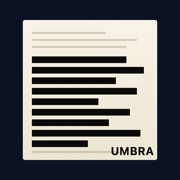
Much of the NSA material carried the classification marking “TOP SECRET UMBRA.” UMBRA was the codeword the NSA used for its most sensitive category of communications intelligence — the compartment reserved for the most fragile sources and methods. A document stamped TOP SECRET UMBRA was, in its day, about as closely held as American intelligence got. A Freedom of Information Act appeal by the nonprofit Disclosure Foundation helped compel the NSA to release them, and the fact that such records are public at all is a measure of how far the disclosure effort now reaches. (A note on the name: this app is called Umbra for the dark core of an eclipse's shadow — the echo of the NSA's old codeword is a fitting coincidence.)
READING THE FILES
Heavily classified intelligence records are rarely easy reading: they arrive redacted, stamped, and dense with tradecraft. Umbra indexes the NSA material by date and subject and renders each page natively, with the redactions and markings intact, so you read the document as released rather than as summarized. The whole NSA contribution to PURSUE is in the app.
> Read the NSA's declassified UAP records — markings intact — on your iPhone.